Phoenix Studios

Brand is back

30th January

/

3 mins

Recent McKinsey research confirms a shift many organisations are already experiencing. Branding is now a number-one priority for European CMOs looking ahead. Trust and authenticity, once treated as soft considerations, have reasserted their power as sources of resilience in today's volatile markets.

Yet a contradiction sits at the centre of this renewed focus.

While brand matters more today, the research identified that the mechanisms required to activate it remain underdeveloped. Ninety-four percent of marketing organisations have yet to reach GenAI maturity. Not because leaders doubt its value, but because it is rarely embedded where day-to-day work actually happens. The game changer is strangely down the list of priorities.

In short, brand is back, but much of its potential remains untapped.

“More widespread GenAI adoption and execution could accelerate the impact of branding efforts, which have reasserted their power.”McKinsey

That gap matters. Because strategy rarely fails in theory. It fails under real pressure.

Once you start looking for it, this kind of strategic fragility, where the plan can come unstuck when it get's into contact with the real world, isn't only reserved for brand strategy.

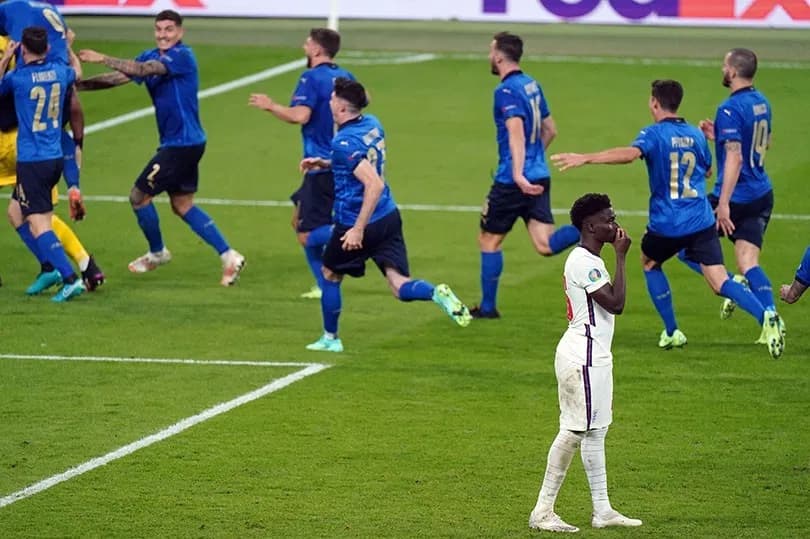
In sport, it can show up when a plan succeeds too early. England’s goal in the second minute of the controversial Euro 2020 final was meant to settle the match. Instead, it unsettled it. Italy adjusted their shape, slowed the tempo, and took control with more possession and more shots. England struggled to respond. The familiar result was perhaps inevitable. Preparation was not the problem; adaptation was.

Recent McKinsey research confirms a shift many organisations are already experiencing. Branding is now a number-one priority for European CMOs looking ahead. Trust and authenticity, once treated as soft considerations, have reasserted their power as sources of resilience in today's volatile markets.

Yet a contradiction sits at the centre of this renewed focus.

While brand matters more today, the research identified that the mechanisms required to activate it remain underdeveloped. Ninety-four percent of marketing organisations have yet to reach GenAI maturity. Not because leaders doubt its value, but because it is rarely embedded where day-to-day work actually happens. The game changer is strangely down the list of priorities.

In short, brand is back, but much of its potential remains untapped.

“More widespread GenAI adoption and execution could accelerate the impact of branding efforts, which have reasserted their power.”McKinsey

That gap matters. Because strategy rarely fails in theory. It fails under real pressure.

Once you start looking for it, this kind of strategic fragility, where the plan can come unstuck when it get's into contact with the real world, isn't only reserved for brand strategy.

In sport, it can show up when a plan succeeds too early. England’s goal in the second minute of the controversial Euro 2020 final was meant to settle the match. Instead, it unsettled it. Italy adjusted their shape, slowed the tempo, and took control with more possession and more shots. England struggled to respond. The familiar result was perhaps inevitable. Preparation was not the problem; adaptation was.

Recent McKinsey research confirms a shift many organisations are already experiencing. Branding is now a number-one priority for European CMOs looking ahead. Trust and authenticity, once treated as soft considerations, have reasserted their power as sources of resilience in today's volatile markets.

Yet a contradiction sits at the centre of this renewed focus.

While brand matters more today, the research identified that the mechanisms required to activate it remain underdeveloped. Ninety-four percent of marketing organisations have yet to reach GenAI maturity. Not because leaders doubt its value, but because it is rarely embedded where day-to-day work actually happens. The game changer is strangely down the list of priorities.

In short, brand is back, but much of its potential remains untapped.

“More widespread GenAI adoption and execution could accelerate the impact of branding efforts, which have reasserted their power.”McKinsey

That gap matters. Because strategy rarely fails in theory. It fails under real pressure.

Once you start looking for it, this kind of strategic fragility, where the plan can come unstuck when it get's into contact with the real world, isn't only reserved for brand strategy.

In sport, it can show up when a plan succeeds too early. England’s goal in the second minute of the controversial Euro 2020 final was meant to settle the match. Instead, it unsettled it. Italy adjusted their shape, slowed the tempo, and took control with more possession and more shots. England struggled to respond. The familiar result was perhaps inevitable. Preparation was not the problem; adaptation was.

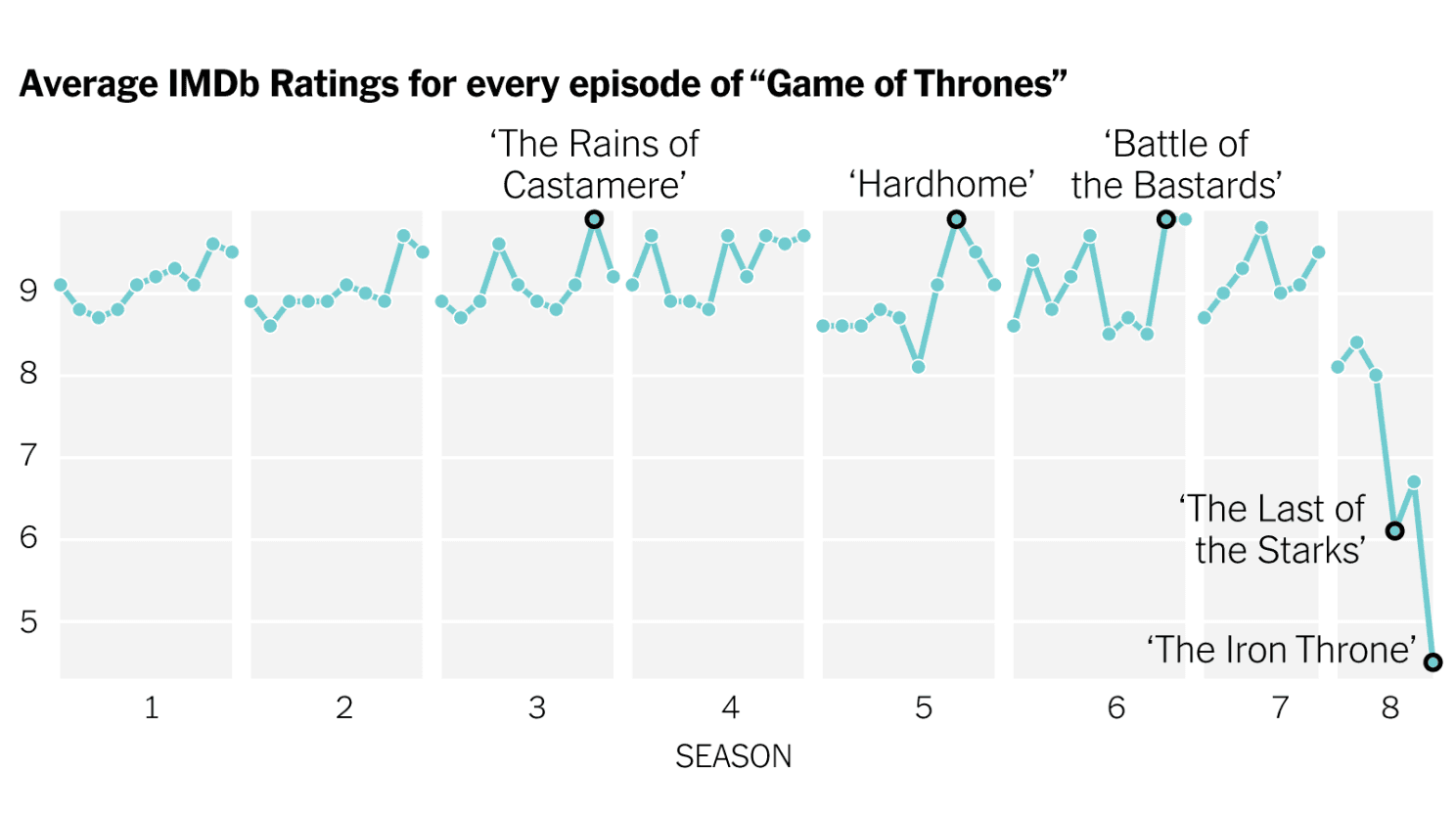
In entertainment, the same dynamic emerges when execution cannot sustain ambition. Game of Thrones spent years building a story or 'narrative capital' if you prefer consultant speak, only to exhaust it in the final season. Earlier episodes averaged ratings above 9 out of 10. The finale fell to around 4. The issue was not bold ideas, but the loss of internal coherence.
The pattern is consistent. Strategies rarely fail because they are wrong. They fail because they can be insufficiently supported once the conditions change.

Mike Tyson captured the principle more bluntly: “Everyone has a plan until they get punched in the mouth.”

Brand strategy is no exception.

Planning workshops can produce clarity. Markets can produce friction. What matters is not the elegance of the plan, but whether it holds when speed, pressure, and complexity intervene.

This is where brand drift begins. Not because strategy is flawed, but because it lives in decks and documents, while decisions are made elsewhere, quickly, pragmatically, and under constraint.

At Phoenix Studios, this is the problem we focus on addressing.

We help organisations develop brand strategies, and then build resilience into them, ensuring they endure through provision of our managed service that bridges with marketing operations. In practice, this means running bespoke, AI-enabled brand agents, embedded in the collaboration tools their teams already use, updated as markets shift, new insight arrives and strategies adapt. Actively supported by us in real time, in real life.

The aim is not control for its own sake. It is consistency at pace. In pursuit of the perfect trifecta of quality, speed and value.

Brand resilience is often described as a mindset. In practice, it is more prosaic, and more demanding.

It is a system. And systems require active management.

Learn more about our approach.

In entertainment, the same dynamic emerges when execution cannot sustain ambition. Game of Thrones spent years building a story or 'narrative capital' if you prefer consultant speak, only to exhaust it in the final season. Earlier episodes averaged ratings above 9 out of 10. The finale fell to around 4. The issue was not bold ideas, but the loss of internal coherence.

The pattern is consistent. Strategies rarely fail because they are wrong. They fail because they can be insufficiently supported once the conditions change.

Mike Tyson captured the principle more bluntly: “Everyone has a plan until they get punched in the mouth.”

Brand strategy is no exception.

Planning workshops can produce clarity. Markets can produce friction. What matters is not the elegance of the plan, but whether it holds when speed, pressure, and complexity intervene.

This is where brand drift begins. Not because strategy is flawed, but because it lives in decks and documents, while decisions are made elsewhere, quickly, pragmatically, and under constraint.

At Phoenix Studios, this is the problem we focus on addressing.

We help organisations develop brand strategies, and then build resilience into them, ensuring they endure through provision of our managed service that bridges with marketing operations. In practice, this means running bespoke, AI-enabled brand agents, embedded in the collaboration tools their teams already use, updated as markets shift, new insight arrives and strategies adapt. Actively supported by us in real time, in real life.

The aim is not control for its own sake. It is consistency at pace. In pursuit of the perfect trifecta of quality, speed and value.

Brand resilience is often described as a mindset. In practice, it is more prosaic, and more demanding.

It is a system. And systems require active management.
Learn more about our approach.

In entertainment, the same dynamic emerges when execution cannot sustain ambition. Game of Thrones spent years building a story or 'narrative capital' if you prefer consultant speak, only to exhaust it in the final season. Earlier episodes averaged ratings above 9 out of 10. The finale fell to around 4. The issue was not bold ideas, but the loss of internal coherence.

The pattern is consistent. Strategies rarely fail because they are wrong. They fail because they can be insufficiently supported once the conditions change.

Mike Tyson captured the principle more bluntly: “Everyone has a plan until they get punched in the mouth.”

Brand strategy is no exception.

Planning workshops can produce clarity. Markets can produce friction. What matters is not the elegance of the plan, but whether it holds when speed, pressure, and complexity intervene.

This is where brand drift begins. Not because strategy is flawed, but because it lives in decks and documents, while decisions are made elsewhere, quickly, pragmatically, and under constraint.

At Phoenix Studios, this is the problem we focus on addressing.

We help organisations develop brand strategies, and then build resilience into them, ensuring they endure through provision of our managed service that bridges with marketing operations. In practice, this means running bespoke, AI-enabled brand agents, embedded in the collaboration tools their teams already use, updated as markets shift, new insight arrives and strategies adapt. Actively supported by us in real time, in real life.

The aim is not control for its own sake. It is consistency at pace. In pursuit of the perfect trifecta of quality, speed and value.

Brand resilience is often described as a mindset. In practice, it is more prosaic, and more demanding.

It is a system. And systems require active management.

Learn more about our approach.

Jonny Westcar, Partner

Stay in touch. Subscribe to our updates.

© Phoenix Studios 2025

Stay in touch. Subscribe to our updates.

© Phoenix Studios 2025

Stay in touch. Subscribe to our updates.

© Phoenix Studios 2025