Phoenix Studios
Creative craft in the age of AI with Anne Wilson
January 14th
/
5 mins
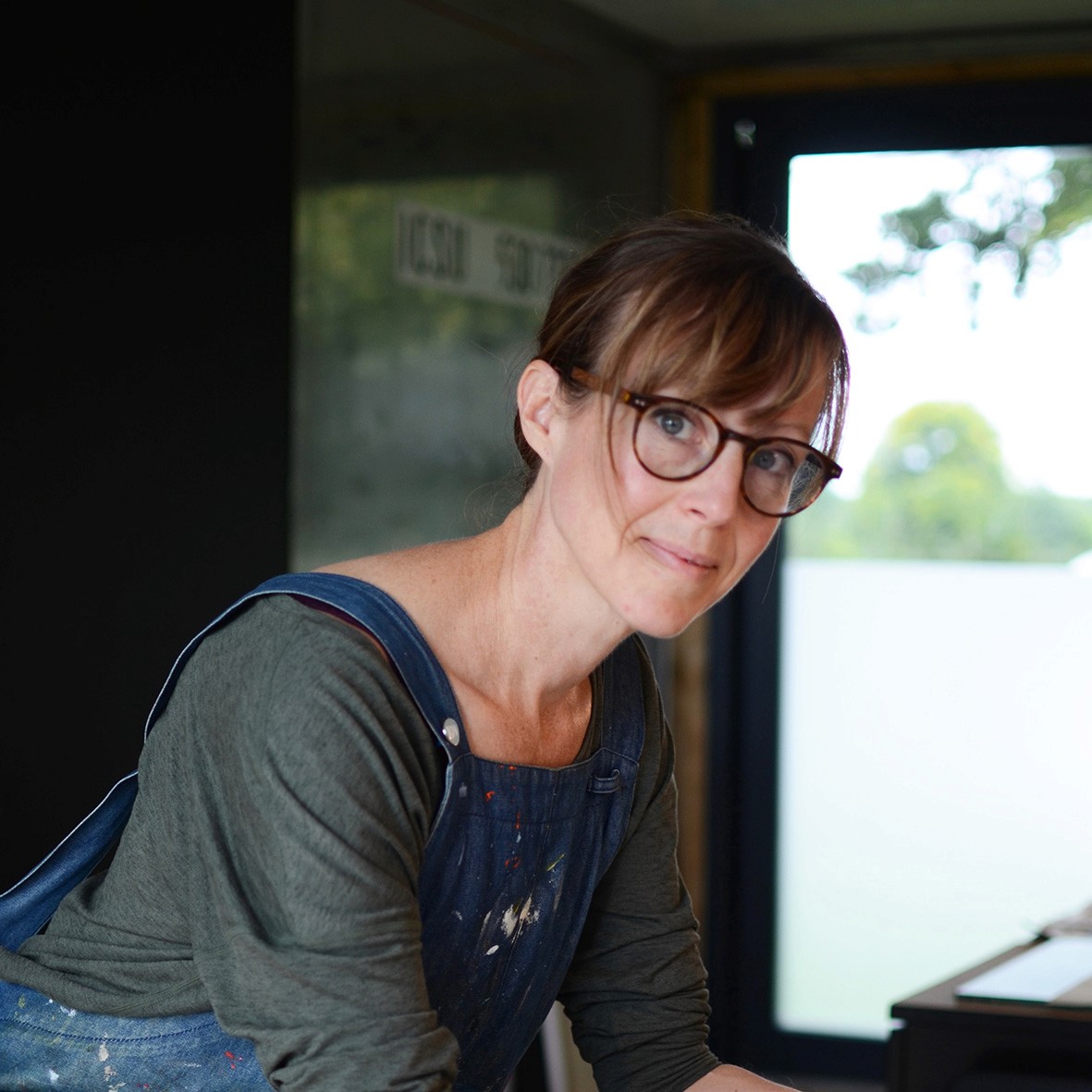
llustrator Anne Wilson reflects on the role of mastery, imperfection and human judgment in an age of automation, and on creating expressive, hand-drawn characters for Phoenix Studios’ Rise, Renewal and Resilience brand proposition.
In a creative landscape increasingly shaped by speed, technology and automation, Anne Wilson’s work demonstrates the enduring value of craft. Known for her expressive, character-led illustration and commitment to handmade processes, Anne collaborated with Phoenix Studios to create a series of hand-drawn characters that bring the studio’s Rise, Renewal and Resilience framework to life.
We spoke to Anne about her evolving visual language, the importance of imperfection, and why human judgment and creative freedom matter more than ever.
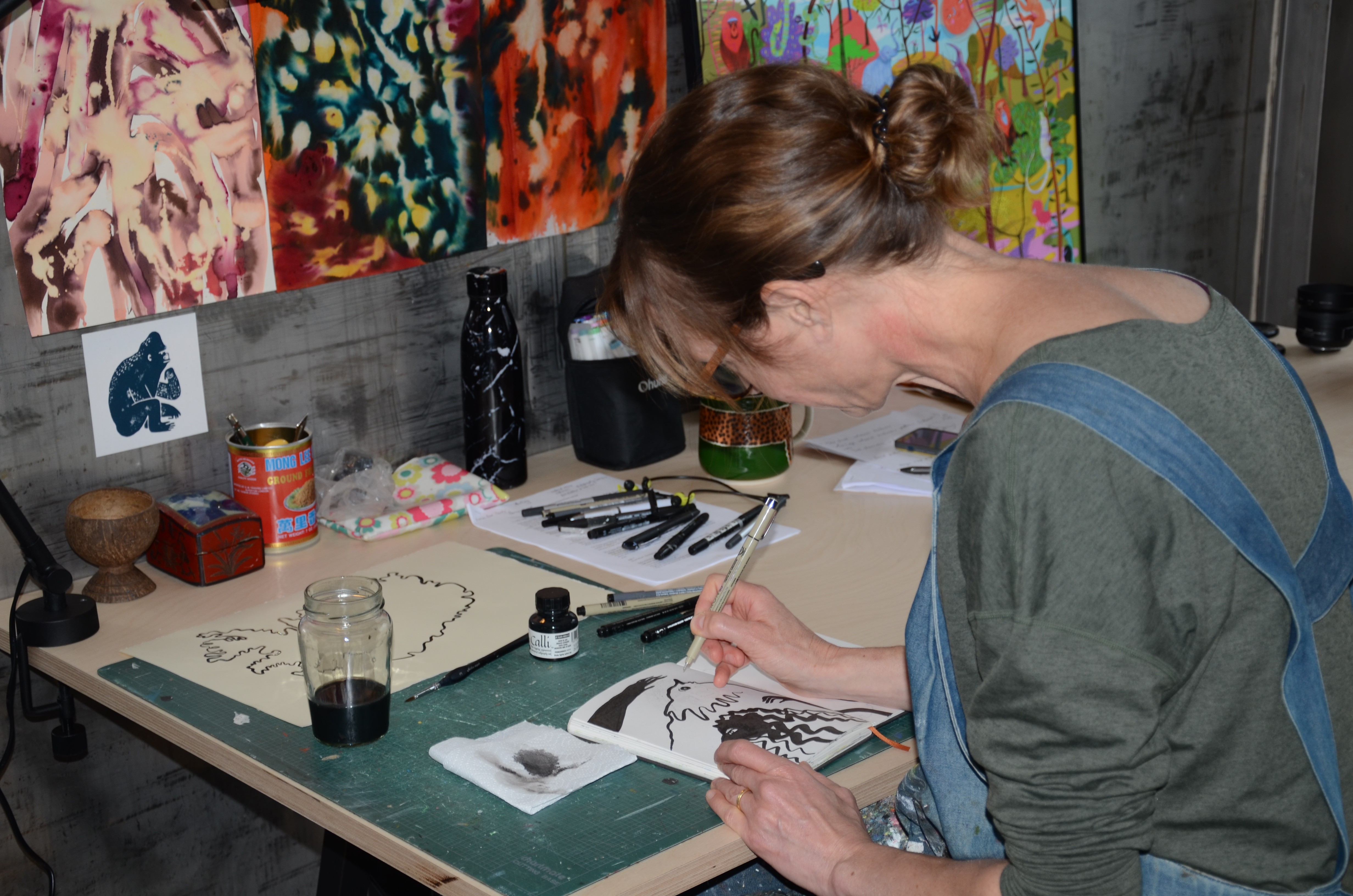
“My work balances traditional and digital methods, but it always starts by hand. That human touch brings honesty, texture and a sense of personality that you can’t fake.”
In conversation with Anne Wilson
PS: How would you describe your illustration style to someone outside the creative industry?
AW: My style is colourful and character-led, often with a slightly quirky quality. It ranges from more graphic, limited-palette work to playful, narrative-driven illustration. I tend to balance traditional and digital methods, and there’s usually a strong sense of texture, pattern and mark-making running through the work.
PS: What recurring qualities or themes tend to show up in your work?
AW: People, figurative elements, nature and animals appear a lot. Some projects lean closer to the real world and non-fiction, while others are more expressive and characterful. There’s usually a mix of observation and imagination, with texture and pattern helping to bring things to life.
PS: Where did your style come from? Was it something you consciously developed over time?
AW: It’s an ever-evolving visual language. I work consciously, but I also try to allow space for the unexpected to emerge. One of the hardest things has been learning not to overthink style. Over time, you refine your visual decision-making, and if you trust the process, you naturally end up where you’re meant to be.
PS: What role do handmade process, texture and mark-making play in how you work?
AW: They’re hugely important to me. Maintaining a sense of the human touch brings honesty to the work. Starting on paper allows for creative play before refinement. You can get strong results digitally, but beginning by drawing helps me connect more deeply with what I’m doing and make better judgments as the work evolves.
PS: What kinds of decisions are you making moment to moment when you’re drawing?
AW: I start by warming up and giving myself permission not to overthink. No mark is wrong at the beginning. The most important decisions are often small and intuitive, and they lead to the creative surprises that give work its humanity. You’re always working towards the brief, but you don’t necessarily know where the process will take you — that’s where the magic lies.
PS: What do handmade illustrations communicate emotionally that more automated imagery often doesn’t?
AW: They communicate nuance — the wonky, imperfect moments that automated imagery tends to smooth over. Those quirks give work its uniqueness and honesty. I often use immediate, unforgiving materials like brush and permanent ink, committing fully to the process. The wobbles, the accidents, the repetition — that’s where originality comes from.
PS: What attracted you to the Phoenix Studios brief specifically?
AW: Having met Jonny, it was clear Phoenix is about long-lasting, innovative creativity. Being invited to contribute hand-drawn illustration to the Phoenix brand felt like a real privilege. It’s incredibly inspiring to create work that sits confidently alongside such a strong brand system.
“I approached each character by interpreting what Rise, Renewal and Resilience meant emotionally, then repeated the process by hand until expression emerged naturally. The key was not overthinking.”
PS: Phoenix wanted illustrations that felt expressive, intelligent and human. How did you respond to that creatively?
AW: The brief called for black-and-white illustration, which immediately creates a more refined outcome. I used bold, graphic drawing methods and materials like Indian ink and brush marks to give the work confidence and clarity while keeping it expressive.
PS: How did you approach creating the three characters representing Rise, Renewal and Resilience?
AW: I started by interpreting what each concept meant to me through the Phoenix character. Everything was created by hand using committed materials — Indian ink and brush marks — without overthinking. I repeated the process many times, refining as I went, allowing expression to emerge naturally. Texture was created through mono-printing, and everything was brought together digitally at the very end.

PS: What was important to you in ensuring the work could live confidently within a broader brand system?
AW: Simplicity — both conceptually and visually. We arrived at a bold, graphic style that could sit comfortably and confidently within the wider Phoenix brand.
PS: How do you personally view AI as it enters the creative world?
AW: It’s nuanced. AI is here to stay, and it sits somewhere between threat and opportunity. I’m concerned that it’s been trained on illustrators’ work without consent, and that it can become a quick fix that bypasses depth and experience. I’ve avoided using it creatively so far, but I can see its value in areas like research and organisation. Used without care, it risks flattening creativity.
“Creativity isn’t a quick fix. It’s built on years of learning, mistakes and human judgment.”
PS: Where do human judgment, taste and experience still matter most?
AW: They matter everywhere — conceptually and practically. AI can be a powerful tool, but it shouldn’t override original human thinking. Creativity isn’t a shortcut; it’s built on years of learning, mistakes and growth.
PS: What do you think business leaders often misunderstand about AI and creative craft?
AW: They can forget that when you hire a creative, you’re not just hiring their recent work — you’re drawing on decades of experience and accumulated judgment. AI brushes past that depth, which risks producing shallow outcomes.
PS: When can illustration add the most value to a brand beyond decoration?
AW: Illustration adds a distinctive layer of communication. It brings freshness, originality and often an unexpected perspective that helps a brand stand apart.
PS: If leaders want to balance speed, technology and creativity, what should they not lose sight of?
AW: Creative freedom. The strongest ideas come from playful exploration at the start of a project. Time pressures can lead to shortcuts, but allowing space for experimentation almost always leads to stronger outcomes.
Anne is represented by Illustration X
In conversation with Anne Wilson
PS: How would you describe your illustration style to someone outside the creative industry?
AW: My style is colourful and character-led, often with a slightly quirky quality. It ranges from more graphic, limited-palette work to playful, narrative-driven illustration. I tend to balance traditional and digital methods, and there’s usually a strong sense of texture, pattern and mark-making running through the work.
PS: What recurring qualities or themes tend to show up in your work?
AW: People, figurative elements, nature and animals appear a lot. Some projects lean closer to the real world and non-fiction, while others are more expressive and characterful. There’s usually a mix of observation and imagination, with texture and pattern helping to bring things to life.
PS: Where did your style come from? Was it something you consciously developed over time?
AW: It’s an ever-evolving visual language. I work consciously, but I also try to allow space for the unexpected to emerge. One of the hardest things has been learning not to overthink style. Over time, you refine your visual decision-making, and if you trust the process, you naturally end up where you’re meant to be.
PS: What role do handmade process, texture and mark-making play in how you work?
AW: They’re hugely important to me. Maintaining a sense of the human touch brings honesty to the work. Starting on paper allows for creative play before refinement. You can get strong results digitally, but beginning by drawing helps me connect more deeply with what I’m doing and make better judgments as the work evolves.
PS: What kinds of decisions are you making moment to moment when you’re drawing?
AW: I start by warming up and giving myself permission not to overthink. No mark is wrong at the beginning. The most important decisions are often small and intuitive, and they lead to the creative surprises that give work its humanity. You’re always working towards the brief, but you don’t necessarily know where the process will take you — that’s where the magic lies.
PS: What do handmade illustrations communicate emotionally that more automated imagery often doesn’t?
AW: They communicate nuance — the wonky, imperfect moments that automated imagery tends to smooth over. Those quirks give work its uniqueness and honesty. I often use immediate, unforgiving materials like brush and permanent ink, committing fully to the process. The wobbles, the accidents, the repetition — that’s where originality comes from.
PS: What attracted you to the Phoenix Studios brief specifically?
AW: Having met Jonny, it was clear Phoenix is about long-lasting, innovative creativity. Being invited to contribute hand-drawn illustration to the Phoenix brand felt like a real privilege. It’s incredibly inspiring to create work that sits confidently alongside such a strong brand system.
“I approached each character by interpreting what Rise, Renewal and Resilience meant emotionally, then repeated the process by hand until expression emerged naturally. The key was not overthinking.”
PS: Phoenix wanted illustrations that felt expressive, intelligent and human. How did you respond to that creatively?
AW: The brief called for black-and-white illustration, which immediately creates a more refined outcome. I used bold, graphic drawing methods and materials like Indian ink and brush marks to give the work confidence and clarity while keeping it expressive.
PS: How did you approach creating the three characters representing Rise, Renewal and Resilience?
AW: I started by interpreting what each concept meant to me through the Phoenix character. Everything was created by hand using committed materials — Indian ink and brush marks — without overthinking. I repeated the process many times, refining as I went, allowing expression to emerge naturally. Texture was created through mono-printing, and everything was brought together digitally at the very end.
PS: What was important to you in ensuring the work could live confidently within a broader brand system?
AW: Simplicity — both conceptually and visually. We arrived at a bold, graphic style that could sit comfortably and confidently within the wider Phoenix brand.
PS: How do you personally view AI as it enters the creative world?
AW: It’s nuanced. AI is here to stay, and it sits somewhere between threat and opportunity. I’m concerned that it’s been trained on illustrators’ work without consent, and that it can become a quick fix that bypasses depth and experience. I’ve avoided using it creatively so far, but I can see its value in areas like research and organisation. Used without care, it risks flattening creativity.
“Creativity isn’t a quick fix. It’s built on years of learning, mistakes and human judgment.”
PS: Where do human judgment, taste and experience still matter most?
AW: They matter everywhere — conceptually and practically. AI can be a powerful tool, but it shouldn’t override original human thinking. Creativity isn’t a shortcut; it’s built on years of learning, mistakes and growth.
PS: What do you think business leaders often misunderstand about AI and creative craft?
AW: They can forget that when you hire a creative, you’re not just hiring their recent work — you’re drawing on decades of experience and accumulated judgment. AI brushes past that depth, which risks producing shallow outcomes.
PS: When can illustration add the most value to a brand beyond decoration?
AW: Illustration adds a distinctive layer of communication. It brings freshness, originality and often an unexpected perspective that helps a brand stand apart.
PS: If leaders want to balance speed, technology and creativity, what should they not lose sight of?
AW: Creative freedom. The strongest ideas come from playful exploration at the start of a project. Time pressures can lead to shortcuts, but allowing space for experimentation almost always leads to stronger outcomes.
Anne is represented by Illustration X
Staff Writer